Masonry to Metal Chimney Conversion
A crumbling brick or block chimney doesn’t have to be rebuilt. We remove the failing masonry and replace it with a factory-built, insulated stainless steel chimney system that is sealed against the weather and built to last through Tahoe winters.
Ask a QuestionCall (530) 414-7600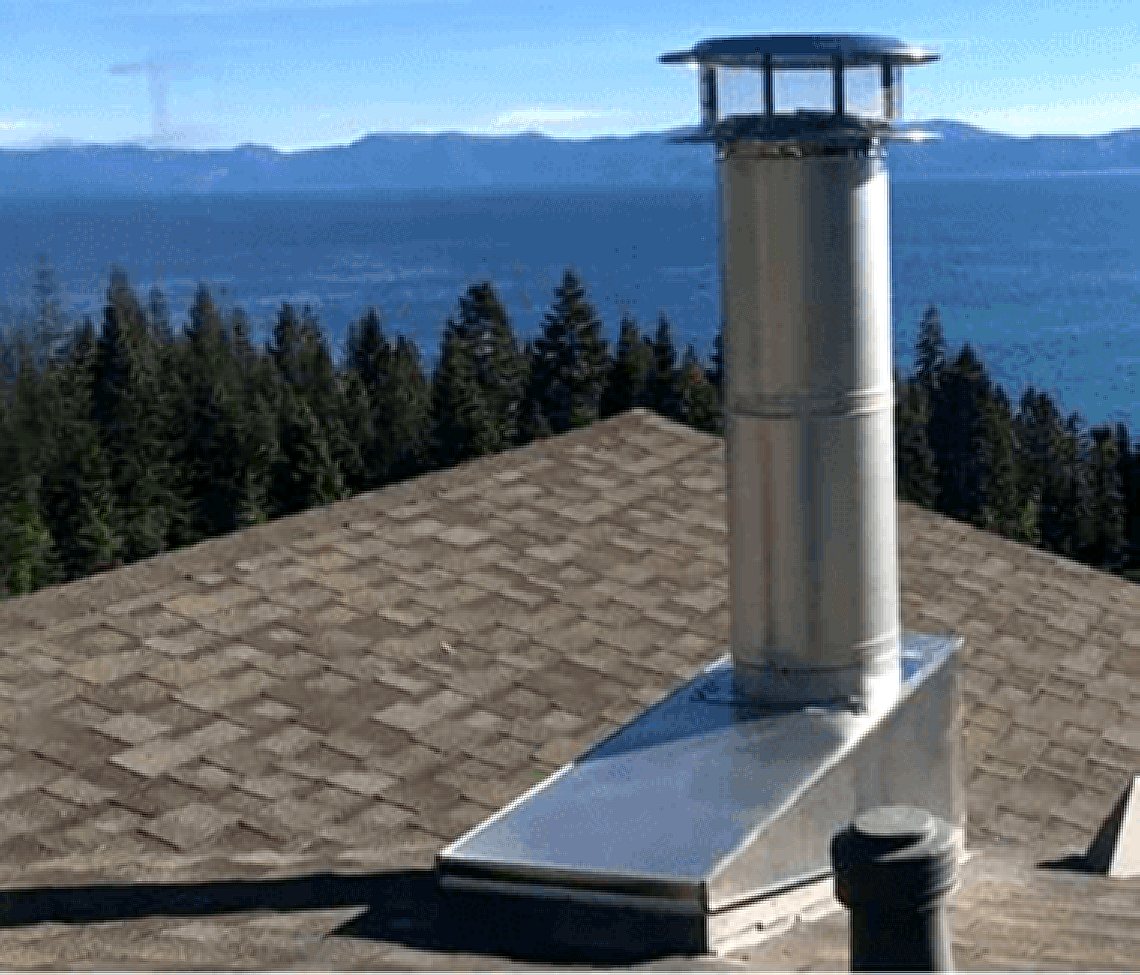
Why Masonry Chimneys Fail Up Here
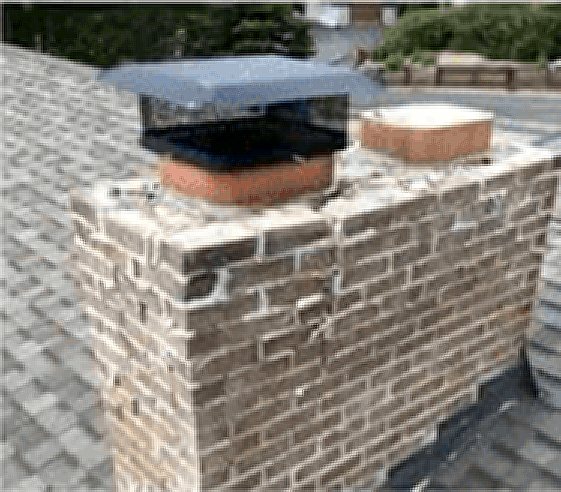
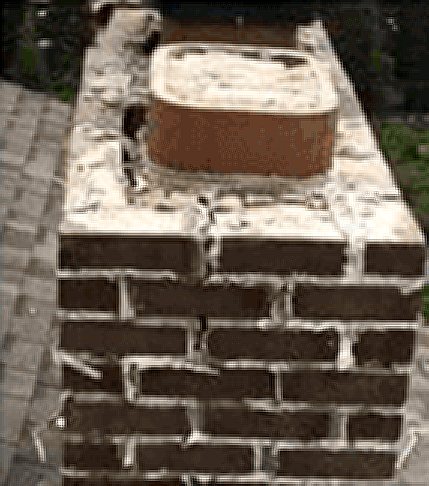
Brick, block and stone chimneys are exposed to the harshest part of your home: snow load, heavy rain and constant freezing and thawing. Water soaks into the masonry, freezes, expands and pushes the mortar and bricks apart. Each winter the cracks get a little wider and let in more water.
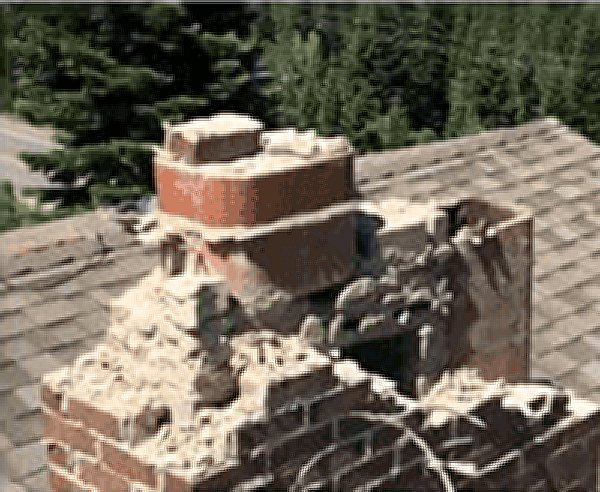
What the Conversion Is
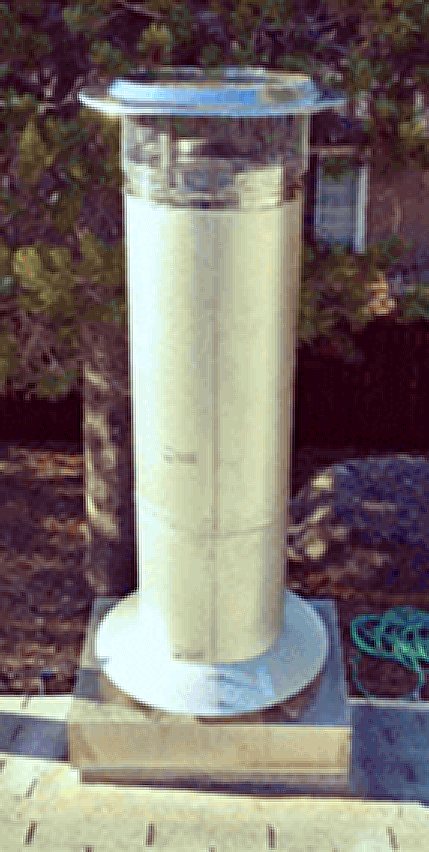
In a conversion, the masonry chimney above the roof (and below it, where needed) is removed and replaced with a Duravent DuraTech factory-built chimney: an insulated, double-wall stainless steel chimney that has been tested and listed as a complete system. It is anchored to a base plate, flashed and covered with stainless steel, and finished with a chimney cap with a spark arrester.
Our Process, Step by Step
1Inspect and Plan
We look at the whole system: the condition of the masonry, the appliance it serves, the roof pitch and framing, the height of the chimney and what’s around it. We confirm the right size and type of DuraTech pipe for your appliance and measure for the base and cover.
2Take Down the Masonry
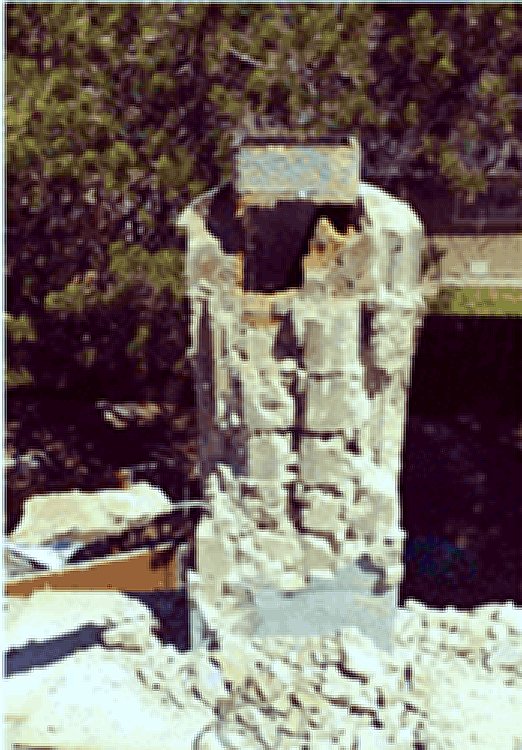
We protect your roof and carefully dismantle the failing brick or block, working down to a solid base. The old masonry is removed from the roof and hauled away, so you aren’t left with a pile of rubble.
3Set the Anchor Plate
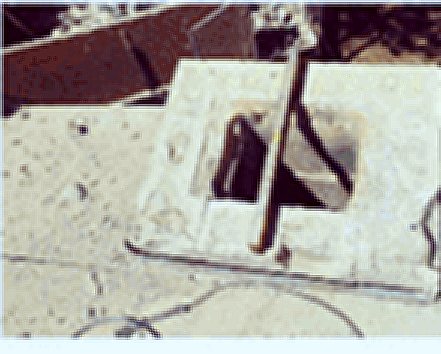
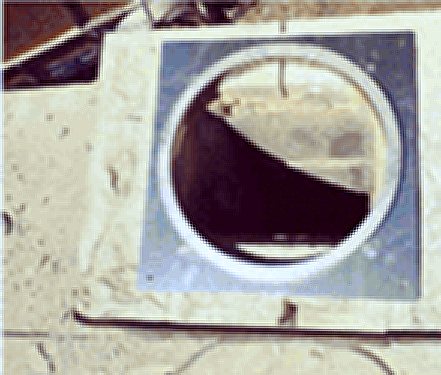
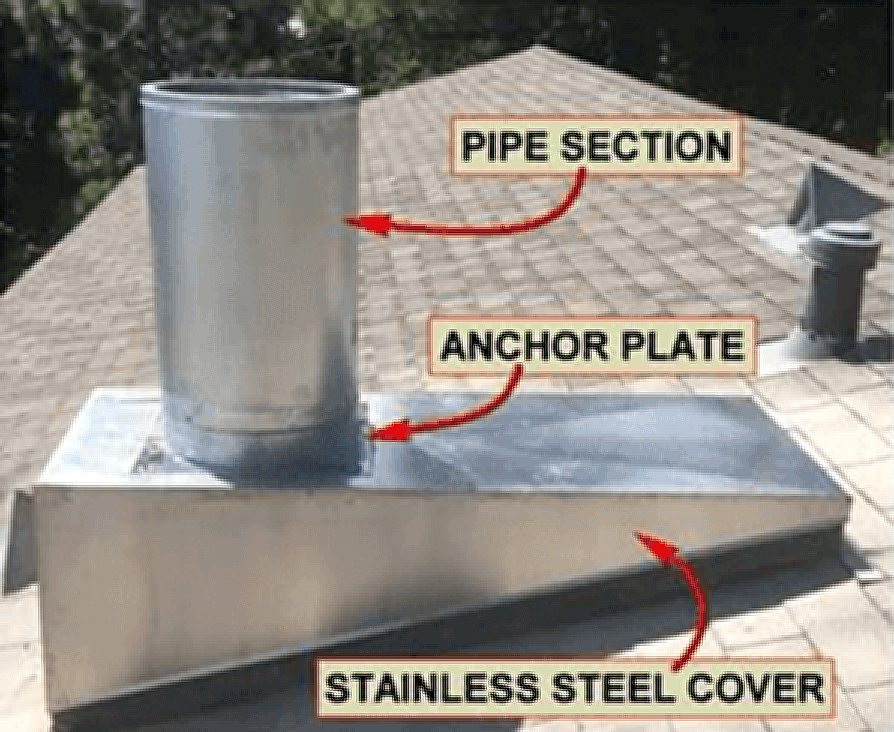
Once the masonry is cut down, the DuraTech anchor plate is set over the flue opening. The anchor plate is what ties the new metal chimney to the structure, and everything else is built on it.
4Build the Stainless Steel Base and Cover
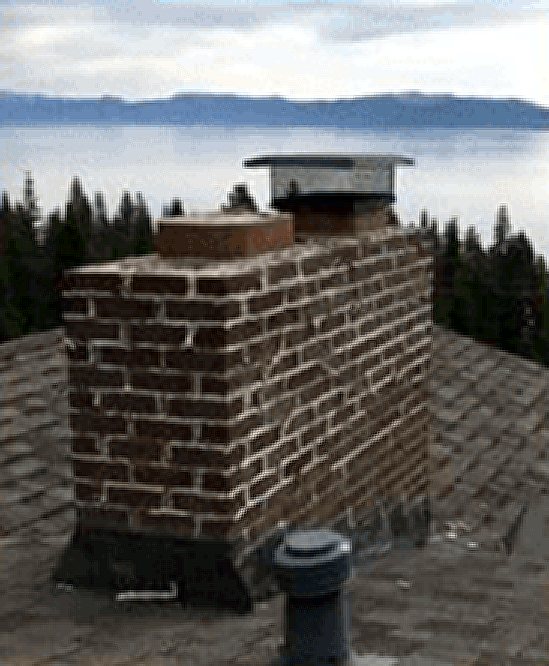
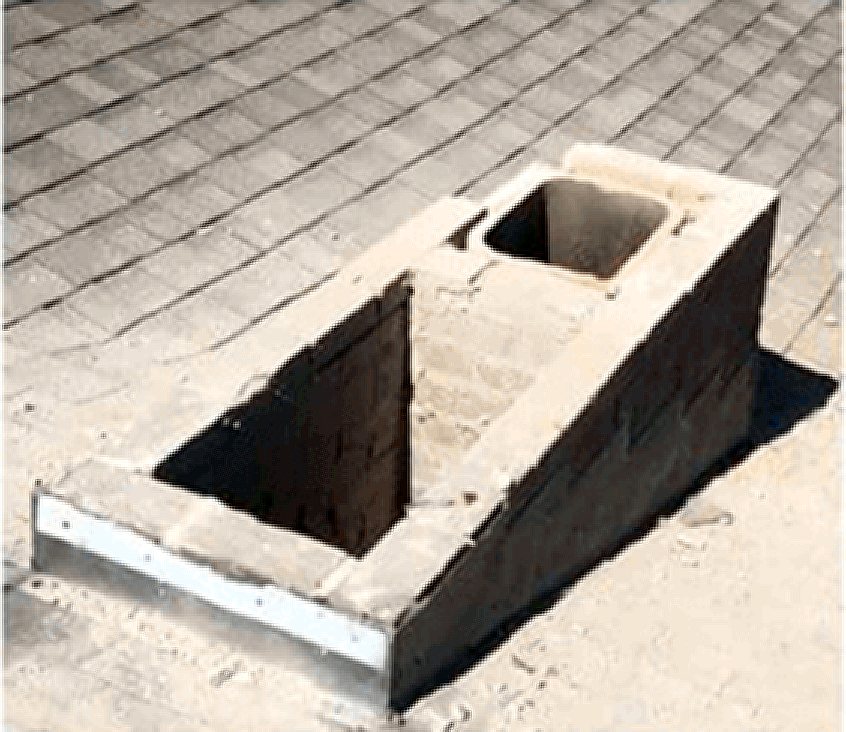
We custom-fabricate a stainless steel cover that sheds water away from the base and seals the top of whatever masonry is left. On sloped roofs it is built to match the pitch. Because it’s stainless, it won’t rust and can be painted to match your roof.
5Stack the Insulated Pipe
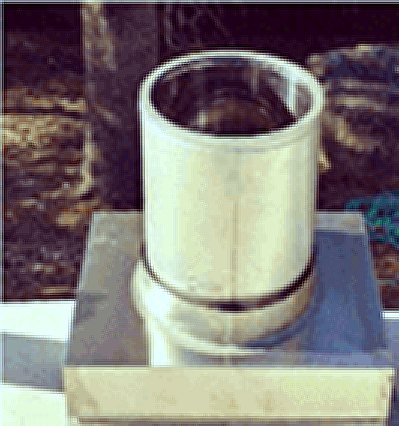
The first DuraTech pipe section seats into the anchor plate, and we add sections up to the proper height. Building codes call for the chimney to extend at least 3 feet above the roof and 2 feet higher than anything within 10 feet of it, so we size the stack to meet that. The insulated double wall keeps the outside of the pipe cooler and the flue gases hot, which helps the chimney draft.
6Flash, Seal and Cap
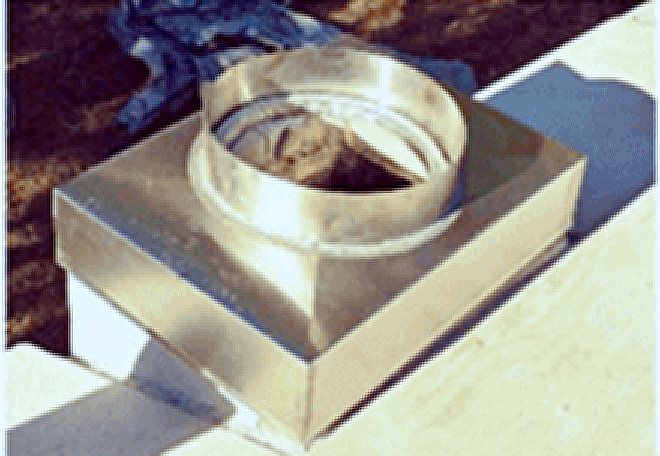
We seal the base to the roof, add the storm collar where the pipe passes through the cover, and finish with a stainless steel chimney cap with a spark arrester. That keeps rain, snow, animals and sparks out of your chimney. Then we clean up the roof and walk through the finished job with you.
What You Get
- No more repointing, crown repair or loose bricks
- An insulated stainless steel chimney tested and listed as a complete system
- Stainless cover and cap that won’t rust and can be painted to match
- Better draft in many cases, because insulated metal pipe stays hot
- A cap with spark arrester to keep animals, water and sparks out
- A clean, finished look and a roof left clean
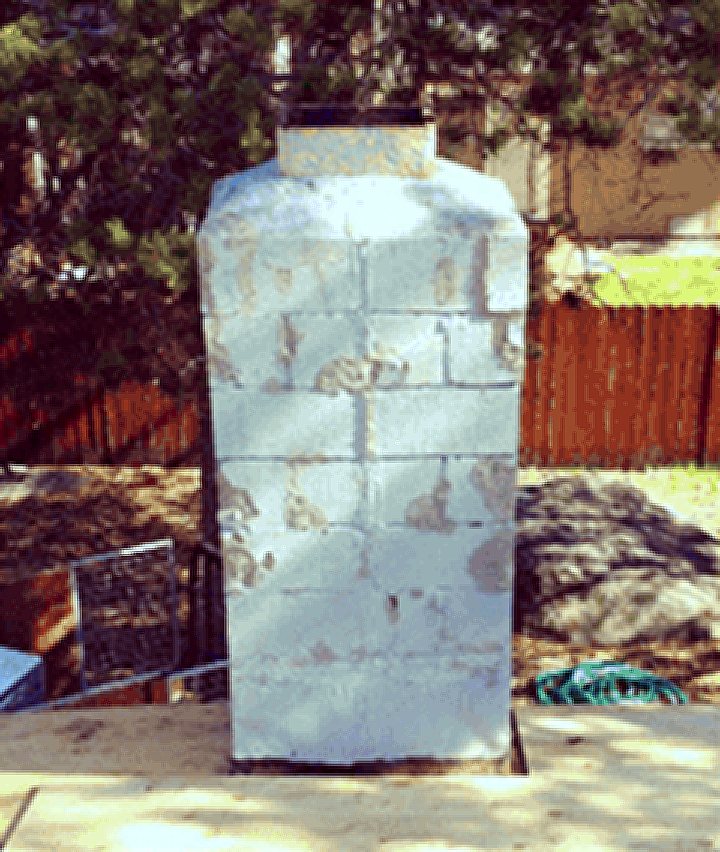
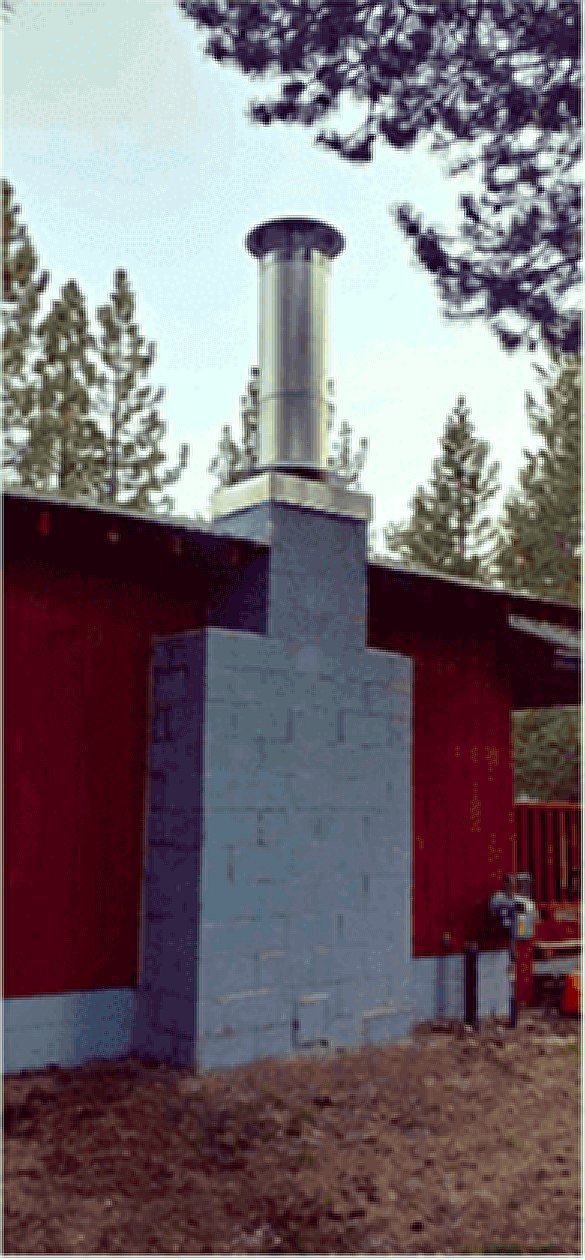
The photo shows a cinder block chimney on a cabin with the new stainless pipe on top. A simple, durable finish with no more masonry maintenance on the upper stack.
Is a Conversion Right for Your Chimney?
Conversion works best when the masonry is serving as a shell around the flue or when the appliance connected to it can be vented with a factory-built chimney, such as a wood stove or a factory-built fireplace. Every chimney is different, so we check the appliance, the clearances and the condition of what’s below the roof before we recommend it.
Ready to Stop Repairing Your Chimney?
Tahoe Chimney & Fireplace has been serving Lake Tahoe and Truckee since 2007. Tell us about your chimney and we’ll set up an estimate.
Ask a Question(530) 414-7600